
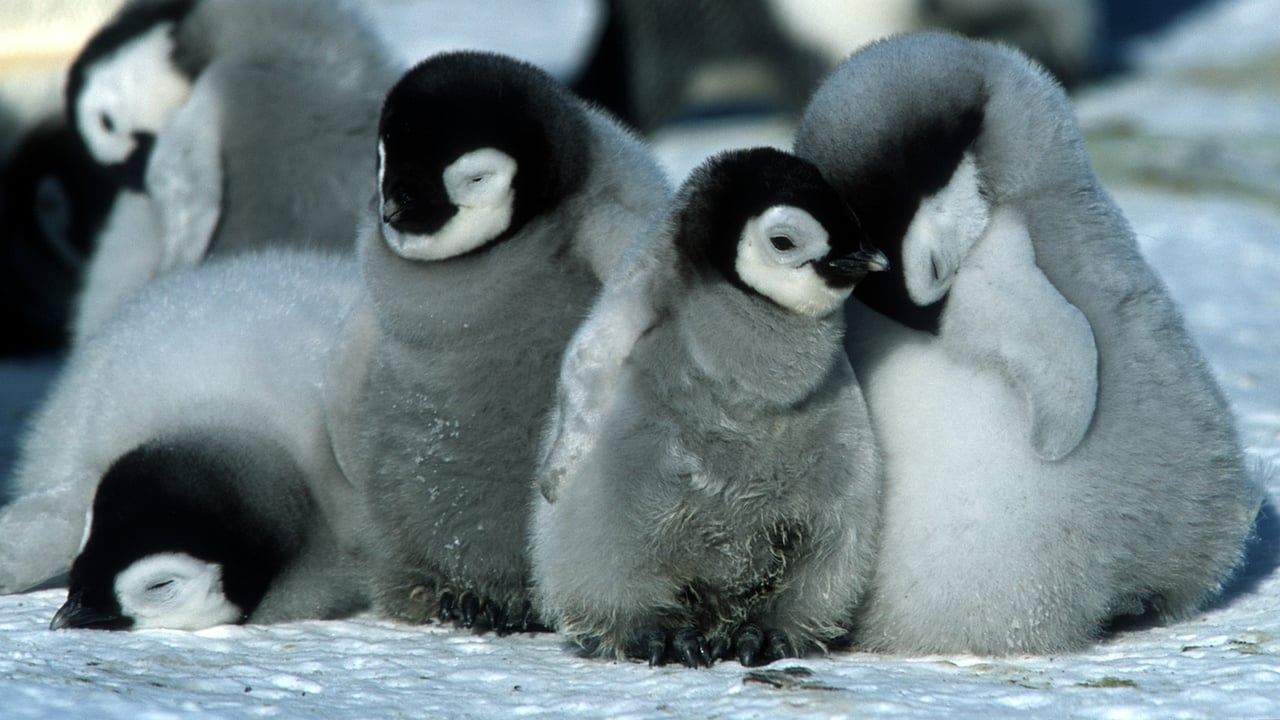
 80 minMarch of the Penguins★ 7.12005Film
DokOnlin
254 documentary films and series, 1956 to 2026, filed in eight sections.
Most watched
Top rated 30 →80 minMarch of the Penguins★ 7.12005Film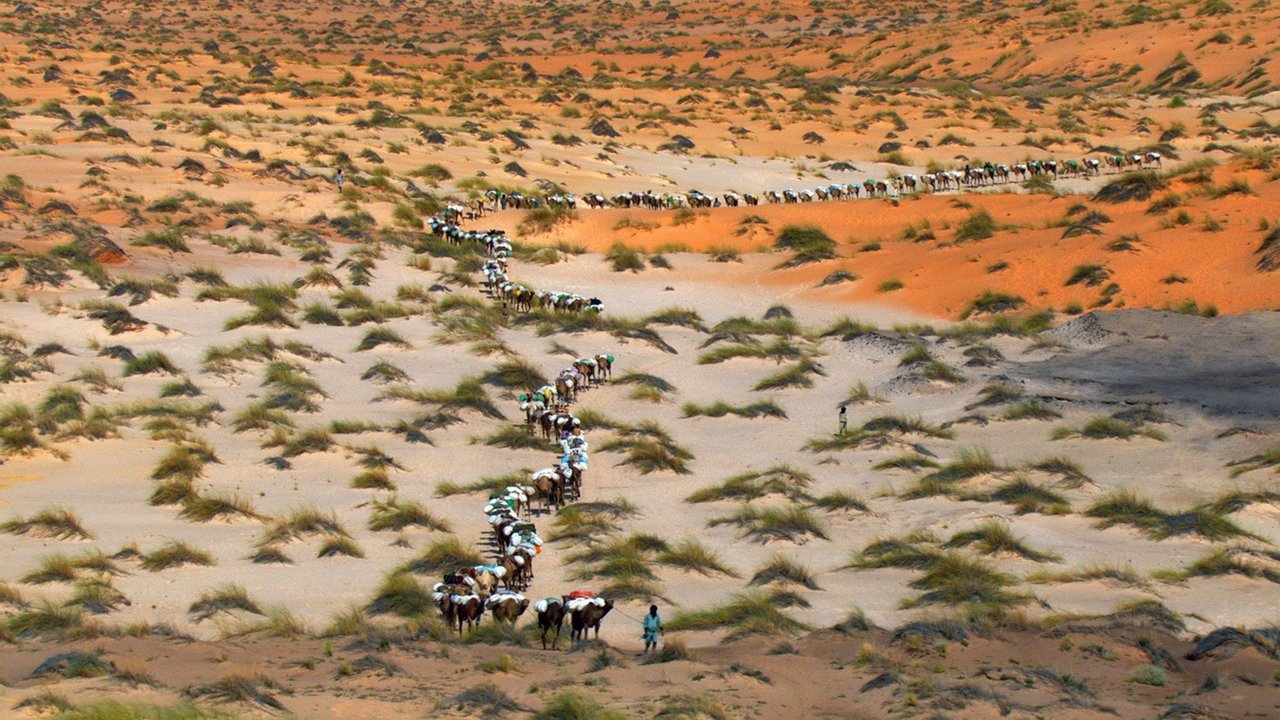 95 minHome★ 7.82009Film
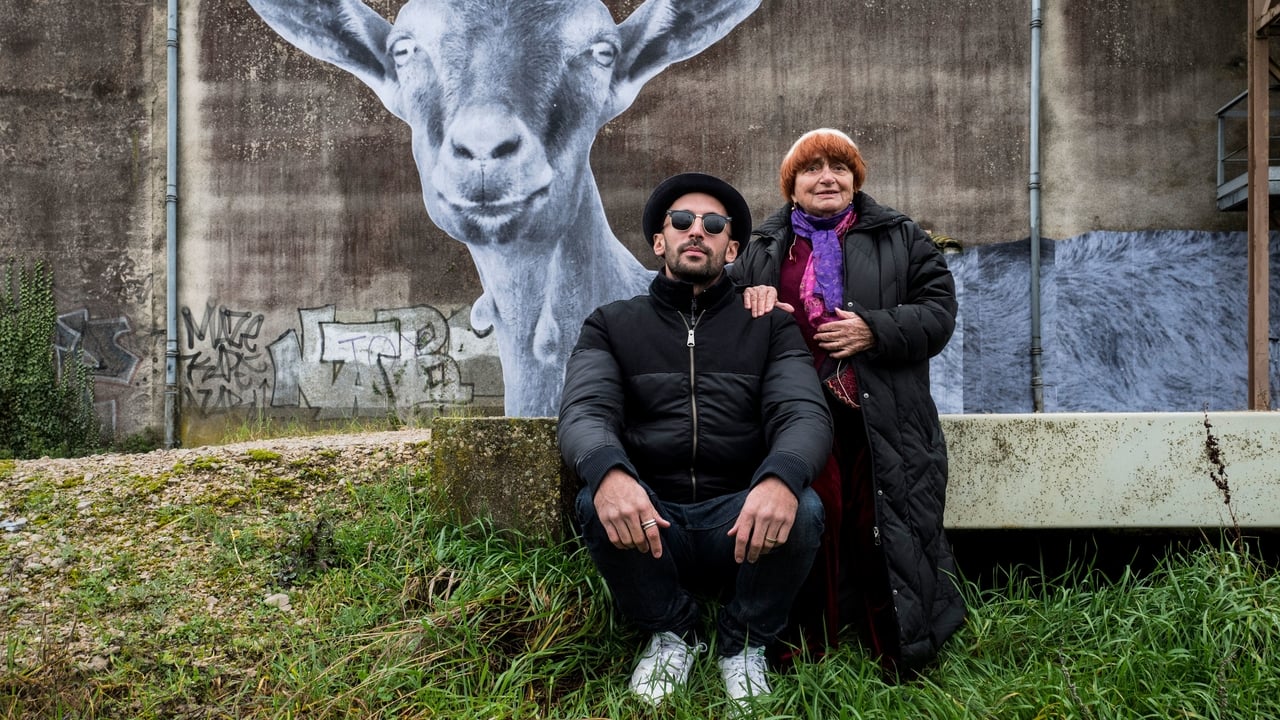 94 minFaces Places★ 7.62017Film
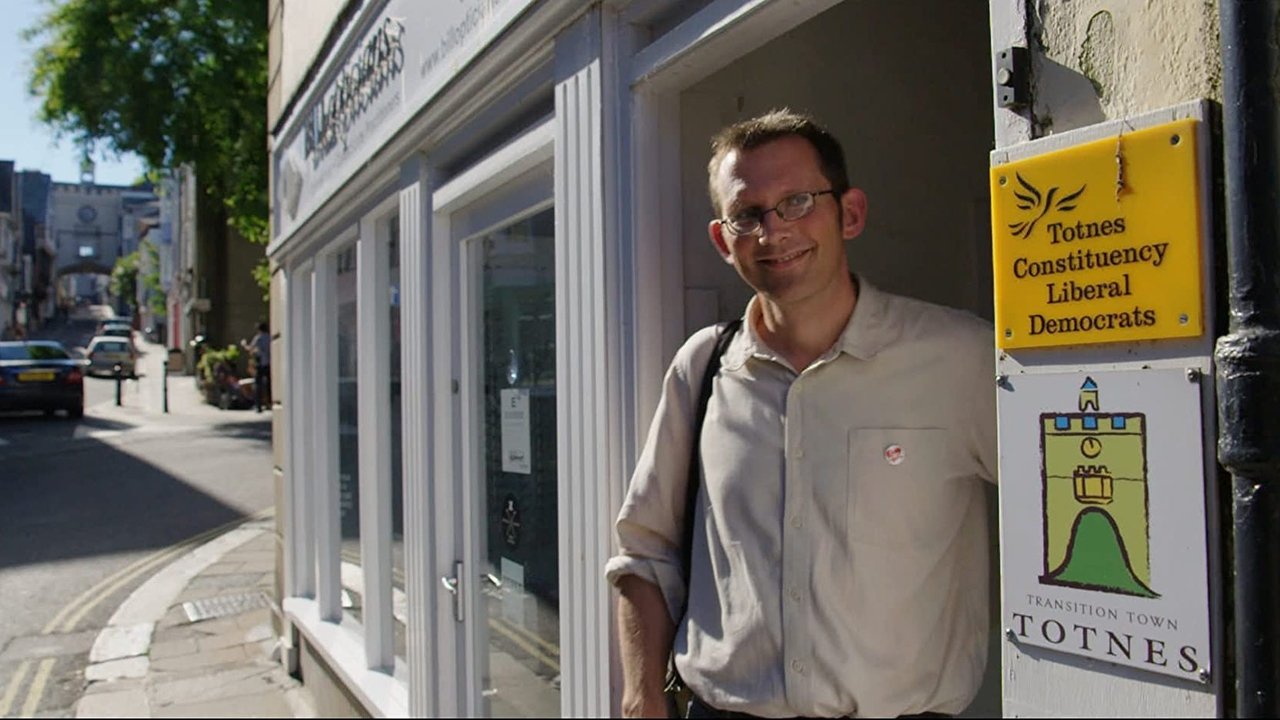 118 minTomorrow★ 7.82015Film
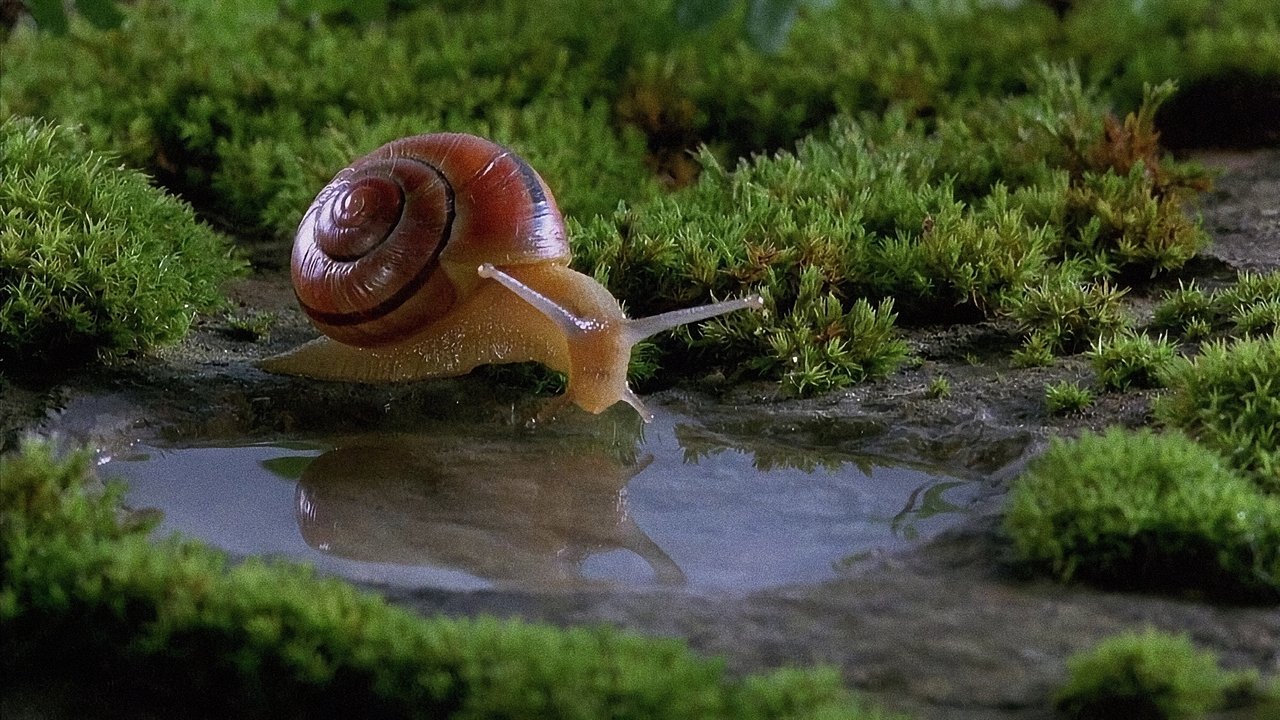 80 minMicrocosmos★ 7.61996Film
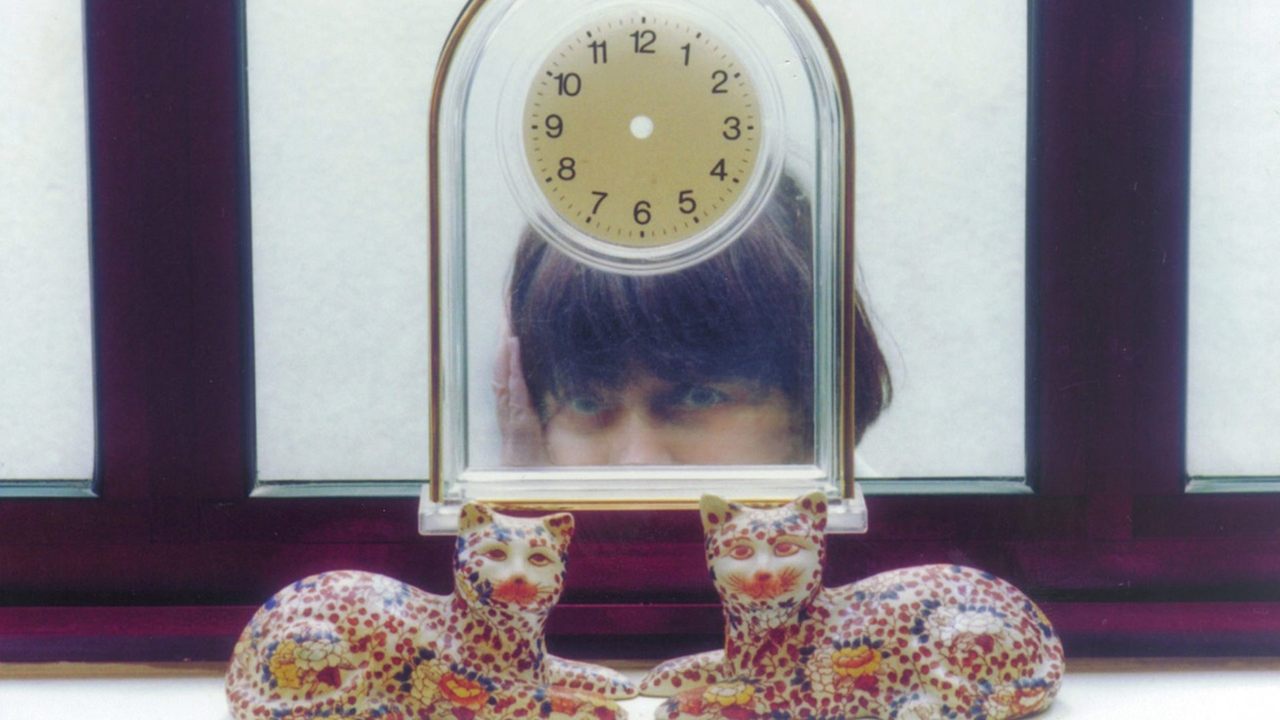 82 minThe Gleaners and I★ 7.72000Film
New on the shelf
All 80 → 90 min
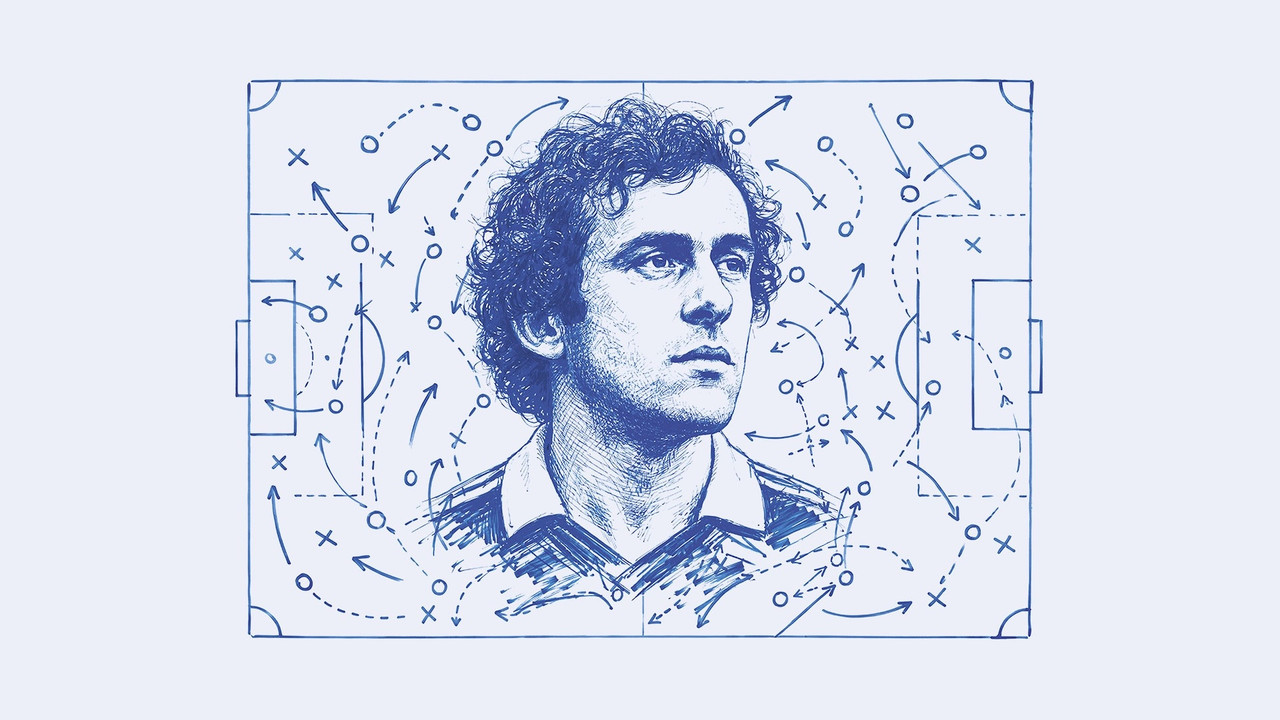 6 ep.
6 ep. 93 min
Nature
All 51 → 89 min
 92 min
 94 min
Science and space
All 18 →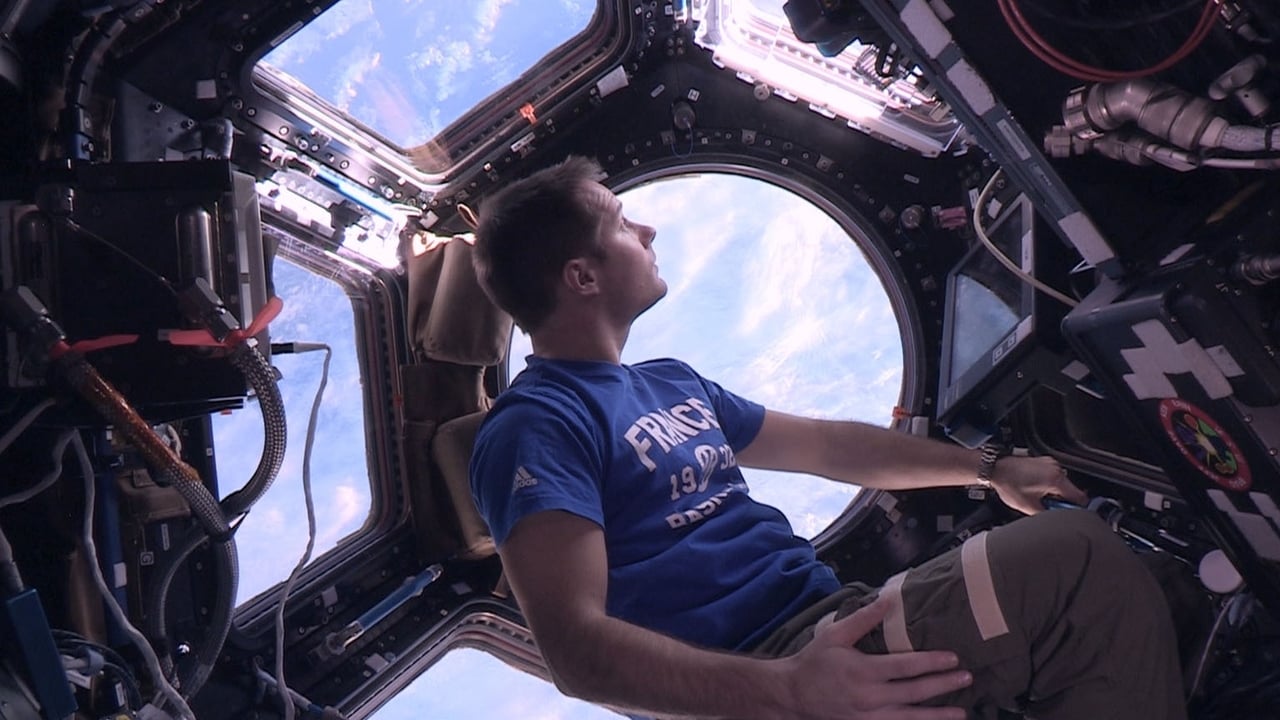 110 min
 55 min
 72 min
History
All 20 →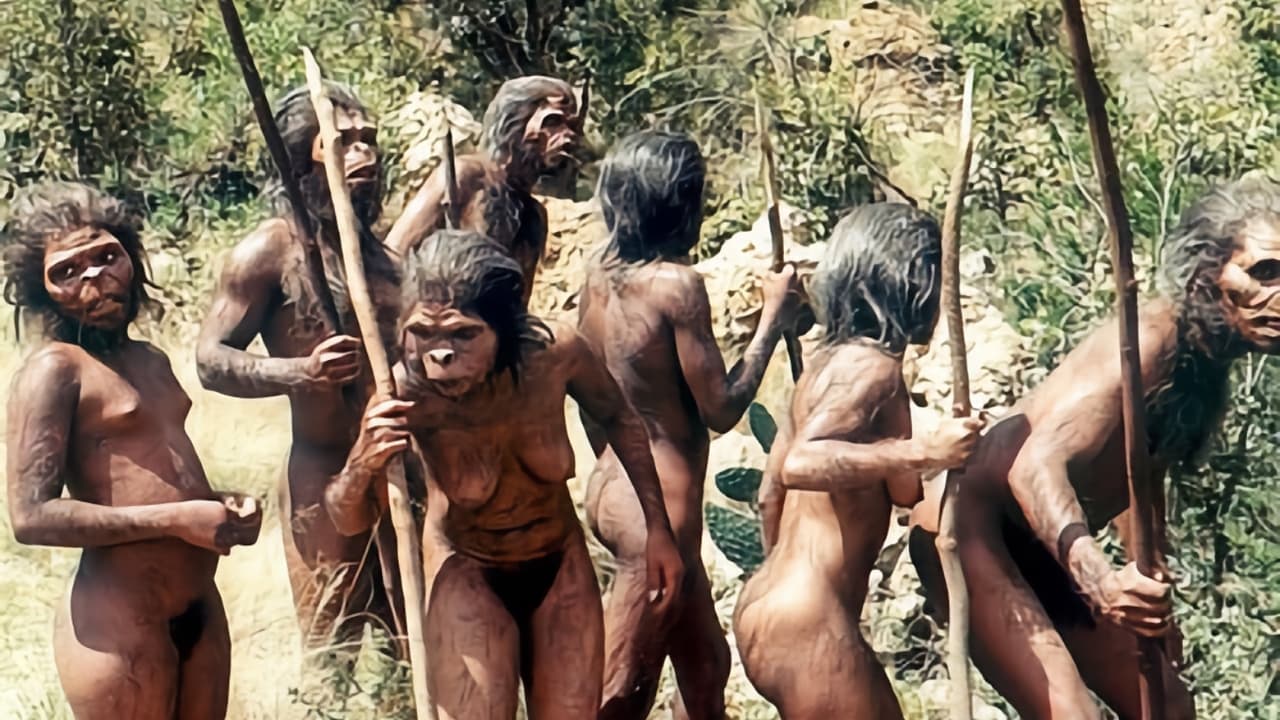 89 min
 84 min
 274 ep.
Art
All 36 → 90 min
 78 min
 92 min
Cinema
All 46 →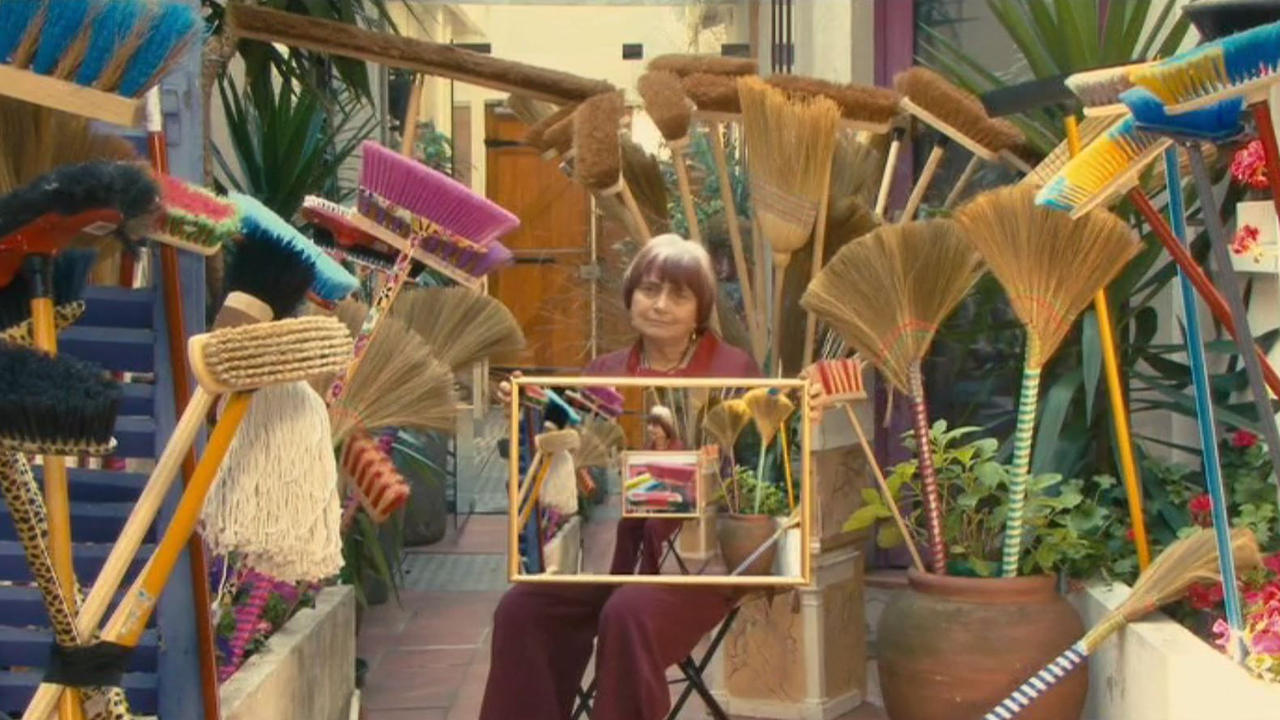 110 min
 90 min
 107 min
Music and stage
All 20 → 81 min
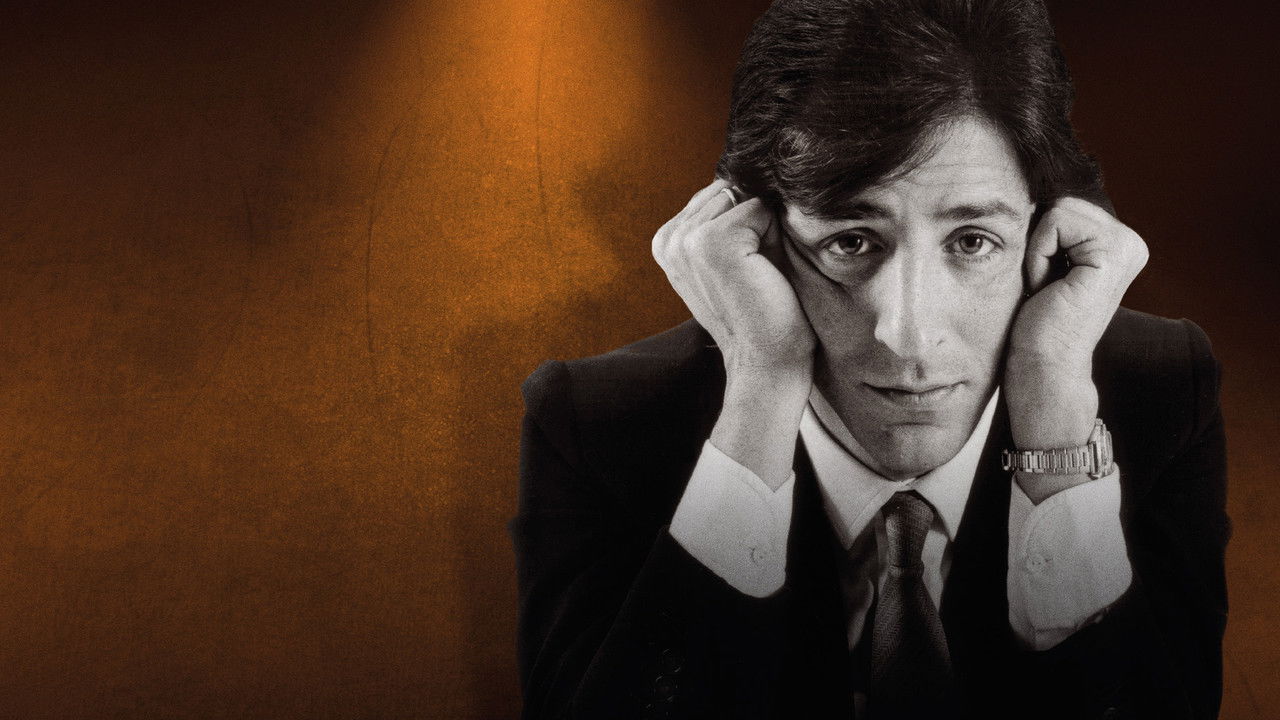 2023
2023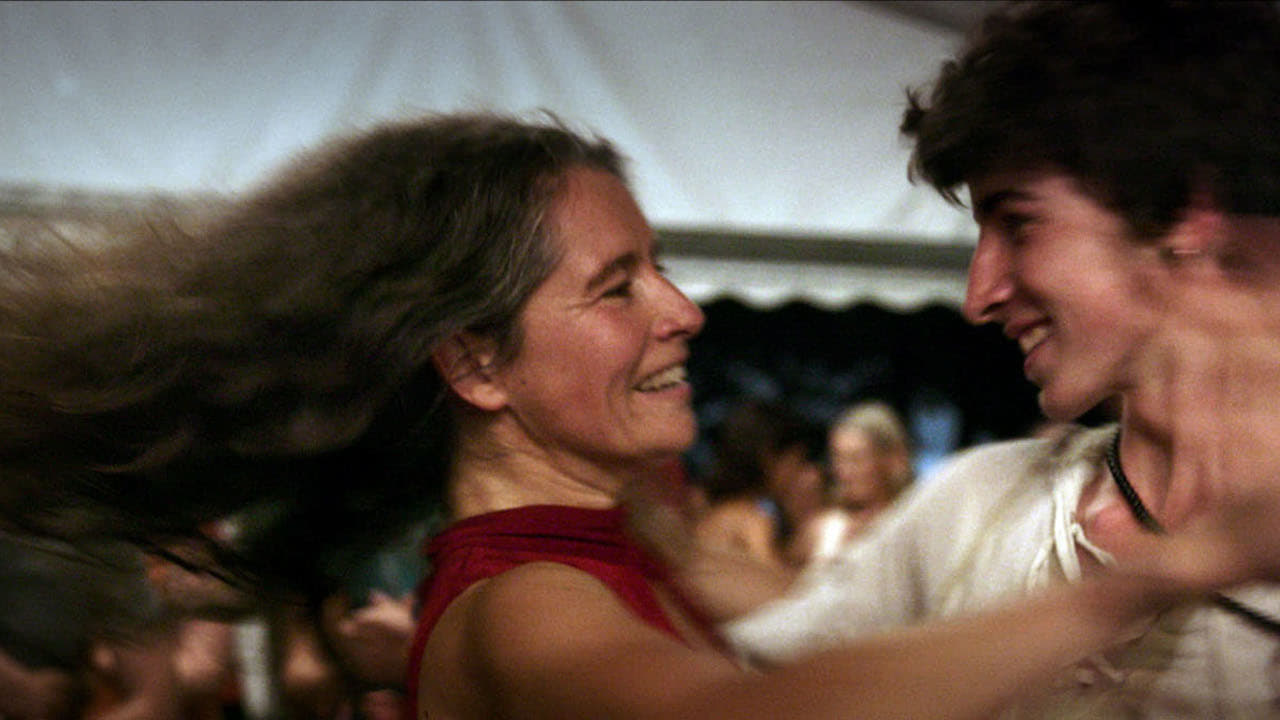 95 min
Sport
All 26 →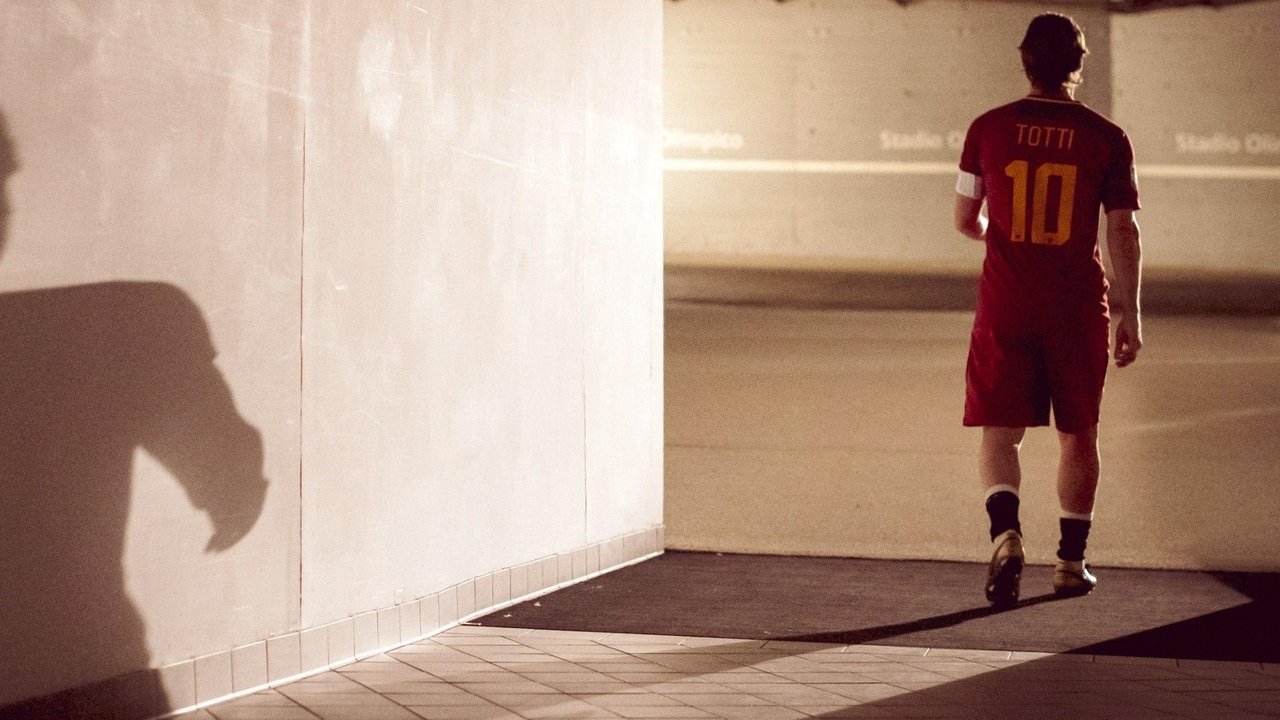 105 min
 60 min
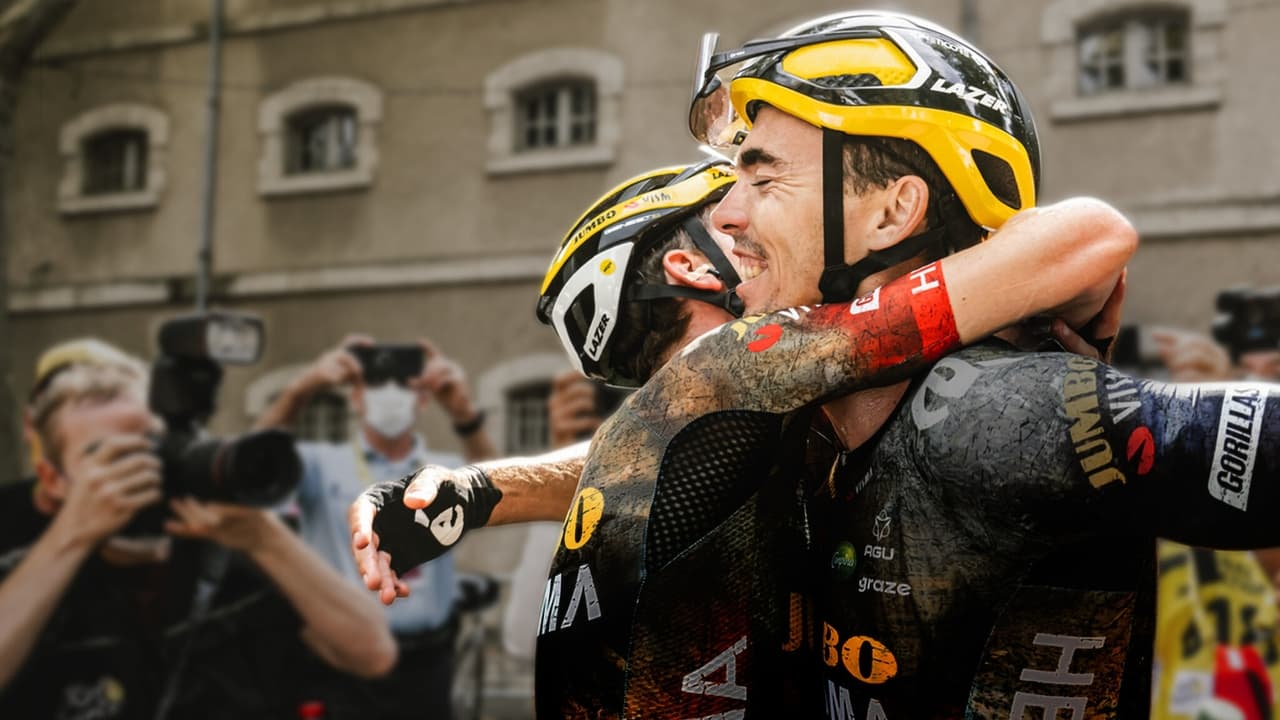 24 ep.
Places and people
All 37 →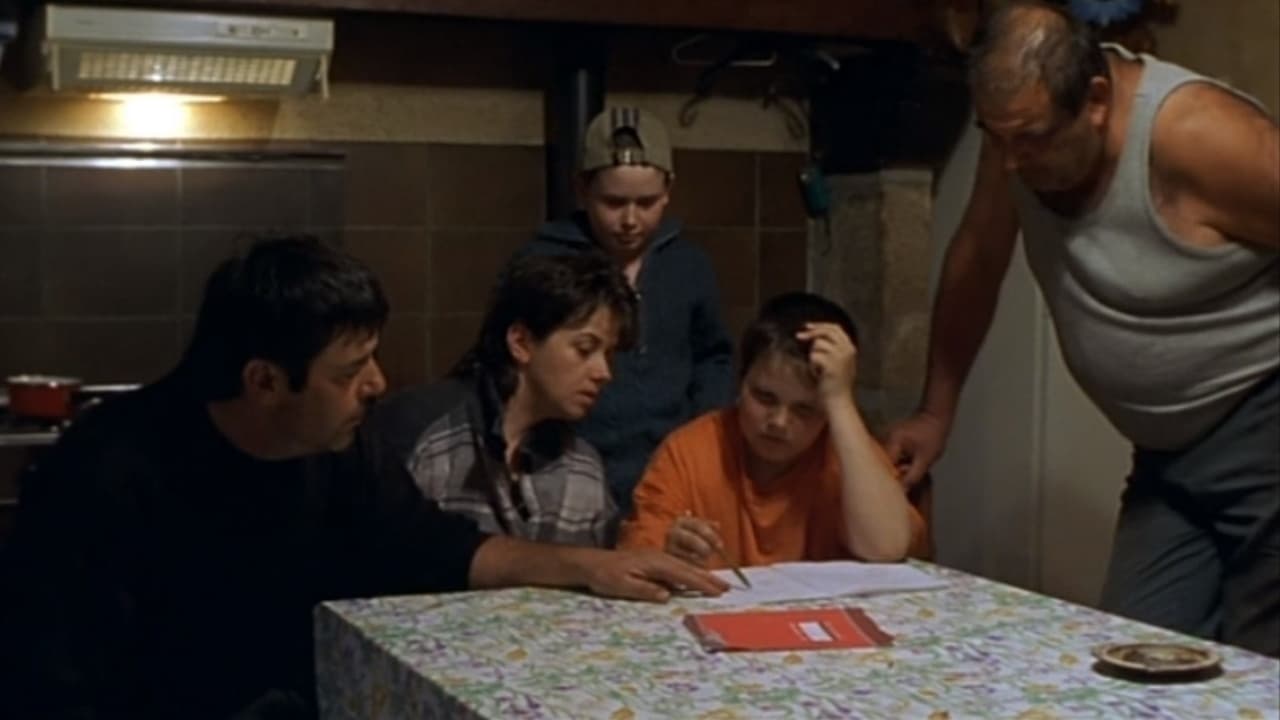 104 min
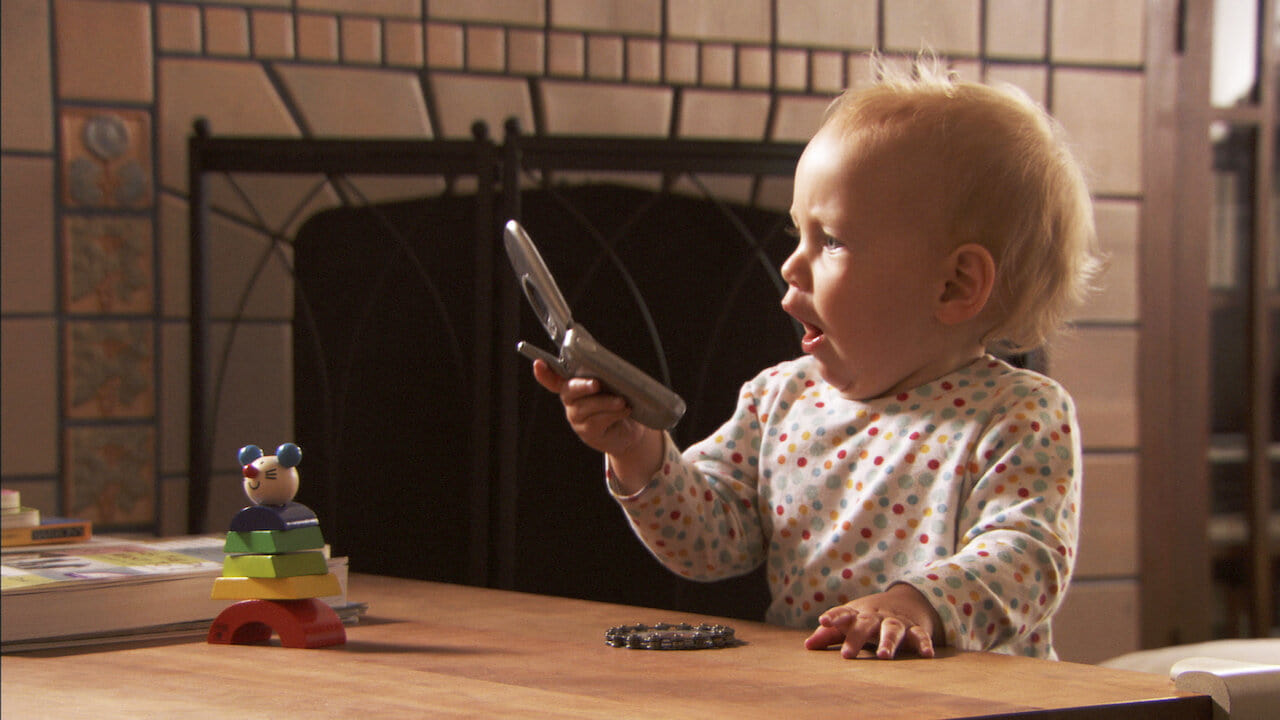 79 min
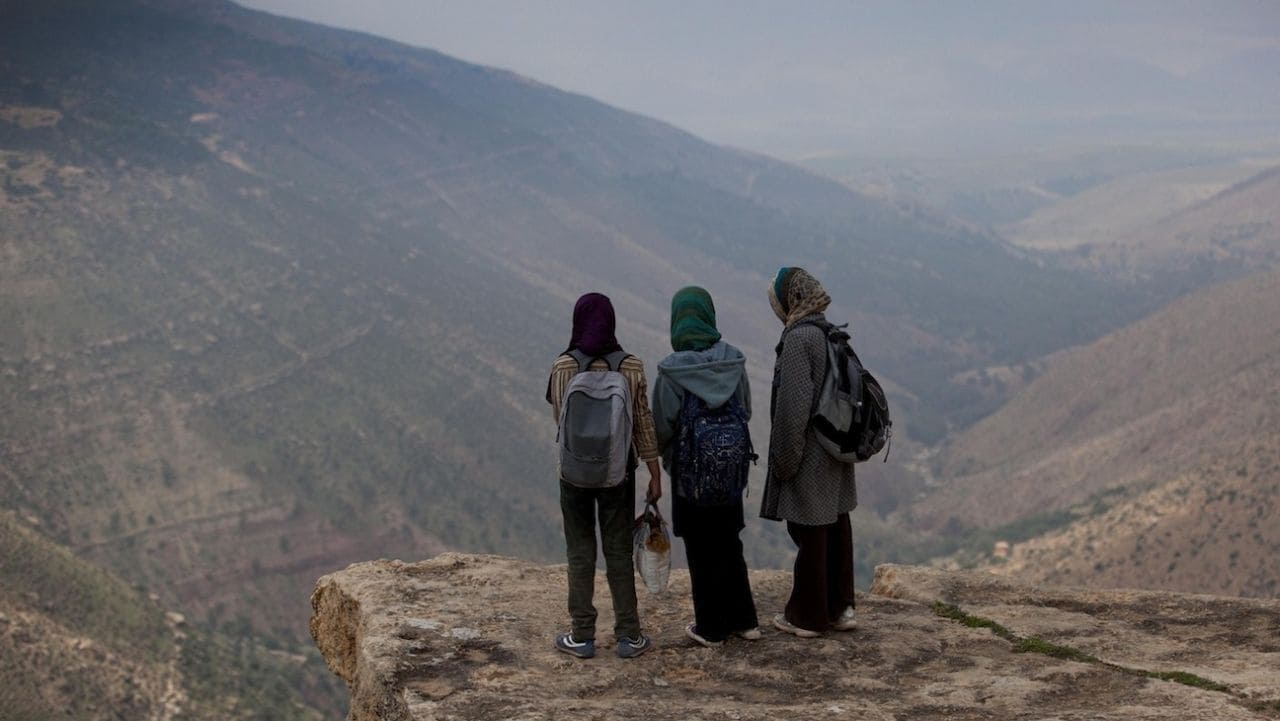 77 min
The DokOnlin guide to documentaries
DokOnlin: documentaries from France, Italy and Russia, with March of the Penguins, Home, Microcosmos, Winged Migration, Faces Places, To Be and to Have, The Truffle Hunters and My Name Is Francesco Totti
Some of the best-loved documentaries ever made came out of France. A film about emperor penguins crossing the Antarctic ice became one of the most successful French films in American cinemas. A film about insects in a meadow in the Aveyron held audiences spellbound for seventy-five minutes with hardly a word spoken. A film that flew alongside migrating geese, cranes and storks took four years and five crews to make. Italy, for its part, has turned the history of art into a cinema event, and has in Piero and Alberto Angela two of the most trusted science and history presenters in Europe. DokOnlin is a guide to 254 documentary films and series from this tradition, made between 1956 and 2026, with a small shelf of Russian titles beside them. It files them in eight sections, and gives each a page with its country, its director, its running order and a Watch now button that leads to the official services carrying it.
The catalogue holds 196 films and 58 series, and the series have 4,965 episodes between them. One hundred and seventy-one titles were made in French, sixty-eight in Italian and fifteen in Russian. Fifty-one are filed under nature, eighteen under science and space, twenty under history, thirty-six under art, forty-six under cinema, twenty under music and the stage, twenty-six under sport, and thirty-seven under places and people. This guide walks through the eight sections in turn, then looks at the catalogue by country, at the series, at choices for children, and at the search and My List, and it closes with a plan for a first fortnight.
What DokOnlin is
DokOnlin is a viewing guide. Each of its 254 pages describes one documentary: its subject, the year and country in which it was made, its director, the people who appear in it, its length and, for a series, the order of its seasons and episodes. At the top of each page is a Watch now button with a country selector beside it. Choose the country you are in, press the button, and JustWatch opens with the services that carry the title there, whether by subscription, rental, purchase or free with advertising. The how to watch page sets out the three steps in brief.
The selection was made by hand, one summary at a time, with a mixed household in mind. That is why the catalogue is rich in animals, forests, oceans, painters, museums, film-makers, singers, footballers, village schools and mountain farms. A documentary earned its place by having something to show and by showing it with care; the result is a catalogue in which almost any title can be put on with grandparents and children in the room.
The guide is written in English for viewers anywhere, while the films themselves keep their original voices. Many of the nature films are almost free of commentary and travel easily; the others are widely available with subtitles, and each title page states the original language.
How the pages are arranged
The home page is arranged like a well-kept library of video. The logo sits in the centre at the top of a pale grey page. Beneath it runs a dark rounded bar with the menu, the search field and the red My List button. At the left stands a dark column headed Sections, listing the eight sections with the number of titles in each; a click on any of them moves the page to that section's box.
The rest of the page is made of white boxes with rounded corners and large, light headings in soft blue. The first box holds the title of the site, a grid of eight yellow folders, one per section, and a cloud of tags for the other lists: all films, all series, the three countries, four periods and the top rated. Then come a box of the most watched documentaries, a box of recent ones, and a box for each section with three wide thumbnails. Each thumbnail carries a small dark label in its corner giving the running time of a film or the number of episodes of a series, and under it the title in blue with the score, the year and the format.
On a telephone the column of sections moves to the top and becomes two columns of links, the folders stand two to a row, and the three-bar button opens the menu with a search field of its own.
Nature: penguins, insects, birds and the planet from above
Nature is the largest section, with fifty-one titles, and it opens with the film that made the genre a cinema event. The nature guide lists the highlights. March of the Penguins, directed by Luc Jacquet in 2005, follows the emperor penguins of Antarctica on their yearly walk of seventy miles to the breeding ground, through the pairing, the laying of the single egg, the long winter in which the fathers stand guard in the dark, and the return of the mothers with food. It is by a wide margin the most popular title on DokOnlin and won the Academy Award for documentary feature. Its sequel, March of the Penguins 2: The Next Step, takes up the story twelve years later with a young penguin setting out on his first journey to the sea.
Two films by the producer Jacques Perrin stand beside it. Microcosmos, made by Claude Nuridsany and Marie Pérennou, spends a summer's day in a French meadow at the scale of its smallest inhabitants: a ladybird, a pair of snails, a dung beetle with its ball, a pond skater in the rain. The cameras were built specially for the film, and the result looks like a visit to another planet. Winged Migration flies with geese, cranes, storks and pelicans across forty countries and all seven continents; the crews raised some of the birds from the egg so that they would accept the ultralight aircraft beside them. Perrin and Jacques Cluzaud returned in 2016 with Seasons, a history of the European forest since the last ice age told through its bears, wolves, lynxes and wild horses, and the three-part series Le Peuple des forêts expands that film for television.
Luc Jacquet returns with Once Upon a Forest, which climbs into the canopy of the rainforest with the botanist Francis Hallé and uses drawing and animation to show seven centuries of growth in a few minutes. Other directors have followed single animals with the same devotion: Lynx spends a year with a family of lynxes in the Jura mountains; La vallée des loups is the record of one man's three-year quest to see wild wolves in a valley of the Alps, continued in Wolf Walk and Living With Wolves; Kina & Yuk tells the story of two Arctic foxes separated by the melting ice; Heart of an Oak takes as its hero a tree two hundred and ten years old and as its cast the squirrels, jays, weevils and mice that live in it; and The Marvelous Wild World of the Vegetable Garden does the same for a kitchen garden.
The photographer Vincent Munier appears in two of the most admired recent films. In The Velvet Queen he leads the writer Sylvain Tesson up to the Tibetan plateau to wait, in silence and cold, for a glimpse of the snow leopard; the film is as much about the art of waiting as about the animal. In Whispers in the Woods he returns to the forests of the Vosges with his father and his young son, three generations listening for deer and capercaillie. The Frozen Kingdom of the Snow Leopard goes back to the high mountains for a closer look at the cat itself.
Yann Arthus-Bertrand's aerial photography has a shelf to itself. Home, released in 2009, shows the Earth from the air in fifty-four countries and explains how the planet's balance works and how human activity has altered it; it is the second most popular title in the catalogue. Terra continues the argument through the story of life on Earth, A Thirsty World concentrates on water, Planet Ocean on the seas, and Legacy is the photographer's own look back at fifty years of work. The series Earth from Above gives fifteen episodes to the same themes, and Earth from Above: Stunning Water is an hour of pure images. Tomorrow, by Cyril Dion and Mélanie Laurent, answers these films with good news: a journey through ten countries to meet people who are already farming, building and teaching in better ways.
Every account of French nature film has to include Jacques-Yves Cousteau. The Undersea World of Jacques Cousteau ran from 1968 with thirty-six episodes aboard the Calypso, and The Jacques Cousteau Odyssey followed in the late 1970s with twelve more; Voyage to the Edge of the World is his feature film about an expedition to Antarctica. The diver Laurent Ballesta carries the tradition on in 700 Sharks, filmed at night in a Polynesian pass. From Russia come Kamchatka Bears. Life Begins, seven months with bear cubs filmed with great restraint, Baikal: The Heart of the World 3D and Zimov Hypothesis, about a father and son who are returning large animals to the Siberian steppe; the French film Land of the Bears visits the same Kamchatka peninsula.
The section also has room for smaller pleasures. Nénette is Nicolas Philibert's portrait of an orangutan who has lived for forty years at the menagerie of the Jardin des Plantes in Paris; the camera stays on her while visitors and keepers are heard talking. Koko: A Talking Gorilla, made by Barbet Schroeder in 1978, records the famous experiment in teaching sign language to a gorilla. Comment le chat a conquis le monde asks how the cat came to share our houses, and two tiny films, Chris Marker's Cat Listening to Music and Agnès Varda's Tribute to Zgougou the Cat, are affectionate portraits of the directors' own pets. Series such as Life in the Great Wetlands, Secret Life of Lakes, Aging in the Wild, Saving paradise and Wonders of Northern Europe offer several evenings each, and If I Were an Animal is made for small children, with fifty-two short episodes in which two youngsters watch animals grow up.
Science and space: astronauts, numbers and the universe
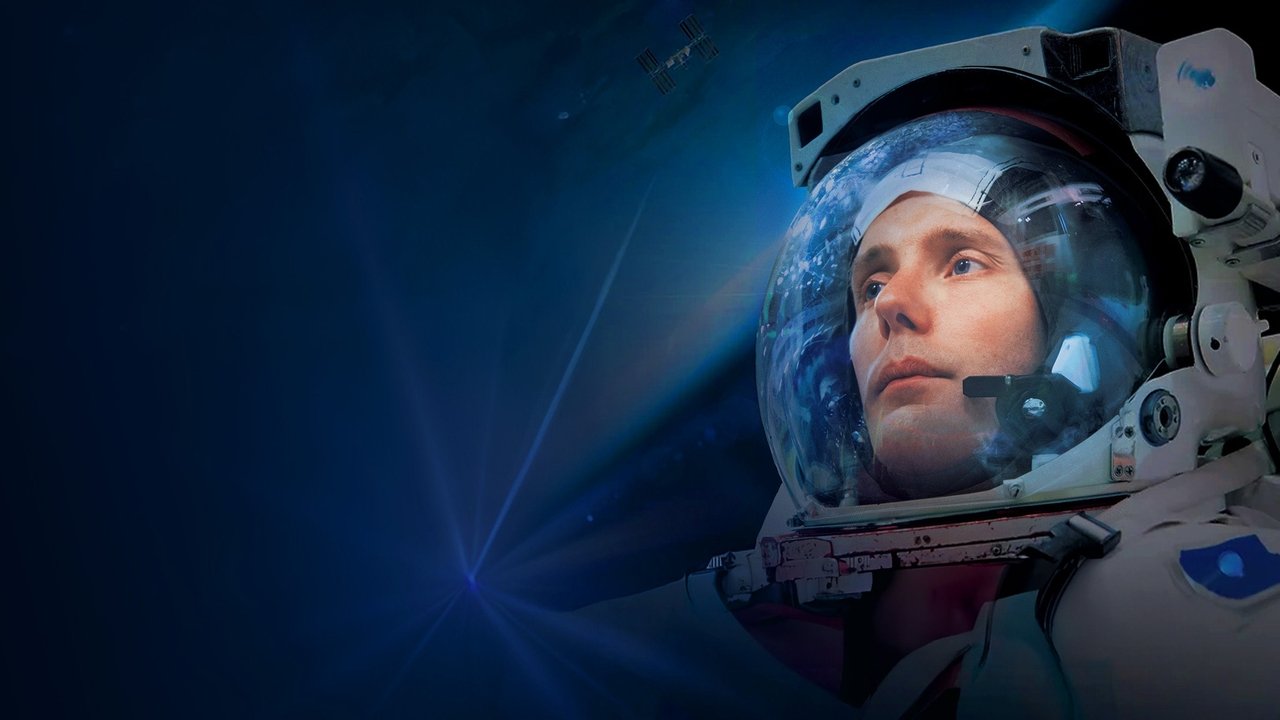
Eighteen titles are filed under science and space, and the science guide arranges them in three groups. The first belongs to astronauts. 16 Sunrises was filmed in part by Thomas Pesquet himself during his six months aboard the International Space Station; its title refers to the sixteen dawns the crew sees every day, and it weaves his pictures together with passages from Saint-Exupéry, whose books he carried into orbit. Thomas Pesquet: The Makings of a Hero follows his training in Houston, Cologne and Star City. Starman does the same for the Italian astronaut Luca Parmitano, the first of his country to walk in space. The Russian film Out of the Present is a classic of the genre: it accompanies the cosmonaut Sergei Krikalev, who went up to the Mir station in 1991 and stayed ten months, with remarkable footage shot on film inside the station. Apollo: Back to the Moon retells the lunar programme in two parts, and Searching for Planet 9 joins the astronomers who are hunting for an undiscovered world at the edge of the solar system.
The second group is television made to explain. Italy's Superquark is one of the great institutions of European broadcasting: presented by Piero Angela from 1995, it runs to 365 episodes on everything from volcanoes to the human heart, and Speciale Superquark adds sixty-nine feature-length specials. Noos - The Adventure of Knowledge, presented by his son Alberto Angela, has taken up the same task, and Journey into the Cosmos is Piero Angela's seven-part tour of the universe. France contributes Science grand format, with 352 long documentaries; Jamy's World, in which Jamy Gourmaud, a favourite of French schoolchildren, travels to see science at work; and Spaceship Earth, fifty-two short animated lessons on the solar system, one for each week of the year. The animated series Une espèce à part looks at humanity from far away in ten witty episodes of a few minutes each.
The third group is about ideas. Colors of Math, a Russian film, asks six mathematicians, the Fields medallist Cédric Villani among them, what their subject looks, sounds and tastes like. Journey into Maths Country turns the great theorems into twenty short animated postcards. Brain. Second Universe surveys modern neuroscience, and Isaac Asimov: A Message to the Future revisits the predictions of the science-fiction writer, many of which have come true.
History: ancient cities and lost worlds
Twenty titles are filed under history, chosen from its quieter rooms: archaeology, monuments and the deep past. The history guide divides them in three. Megapolis: The Ancient World rebuilds Athens, Alexandria, Tikal and Rome with the help of computer images, one city per episode. The Rise and Fall of the Maya follows the archaeologists whose laser surveys have revealed whole cities under the forest of Guatemala. Birth of Civilization imagines the first eight thousand years of settled life, and Toutânkhamon, le trésor redécouvert goes behind the scenes as the pharaoh's treasure is prepared for a new museum. Mont Saint-Michel: The Enigmatic Labyrinth reads the abbey on its rock as a building assembled over a thousand years, and The Battles of the Louvre traces the growth of a medieval fortress into the largest museum in the world.
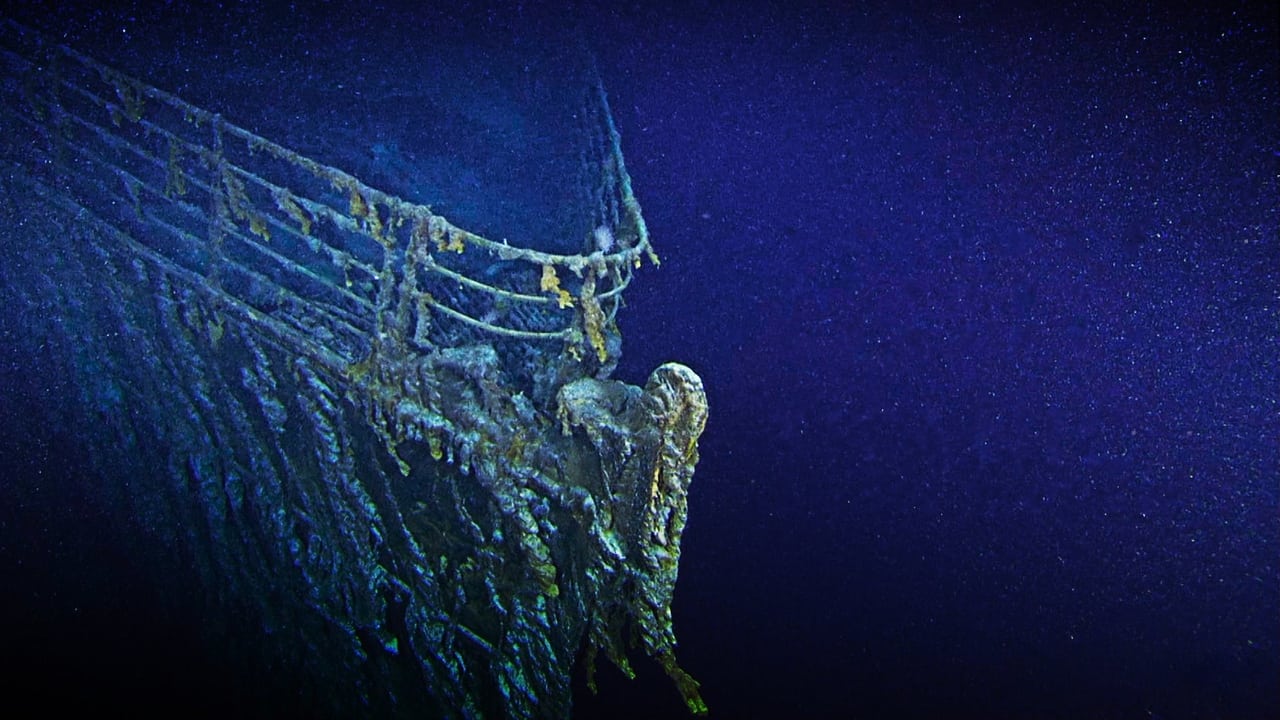
Before history comes prehistory. A Species Odyssey, directed by Jacques Malaterre with the palaeontologist Yves Coppens as adviser, tells the story of the human family over seven million years with actors in the roles of our ancestors; it was a great success on French television. What Killed the Ice Age Giants? examines the disappearance of the mammoth and the woolly rhinoceros, and the Russian series History of Life on Earth begins in the sea and follows life on to the land. Titanic: Into the Heart of the Wreck dives to the liner to study how the hull is changing on the ocean floor.
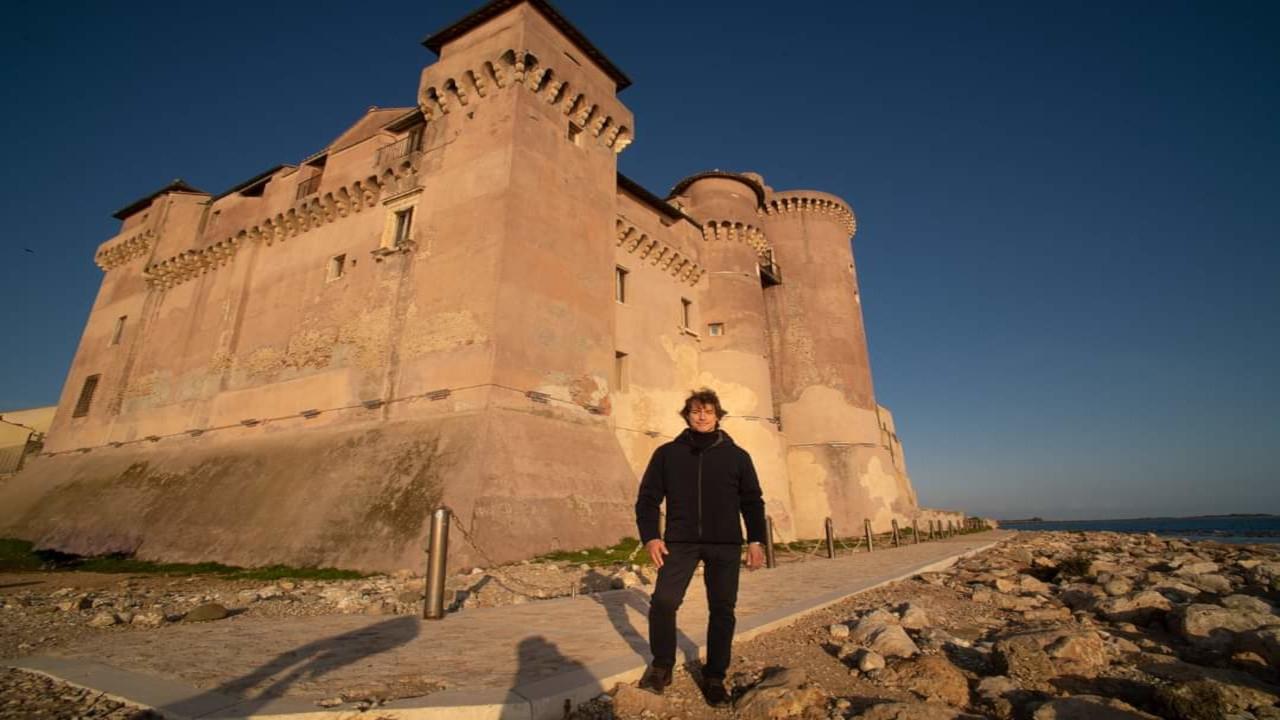
The heritage programmes of French and Italian television complete the section. Secrets d'Histoire, presented by Stéphane Bern, has devoted two hundred long episodes to kings, queens, writers and artists, filmed in the palaces where they lived. Des racines & des ailes, on air since 1997, explores a region or a city in each of its 479 episodes. In Italy, Alberto Angela's Ulisse - The Pleasure of Discovery has 274 episodes on subjects from Pompeii to the Renaissance, and his Wonders - The Peninsula of Treasures and Wonders - Stars of Europe visit the sites on the World Heritage list. Chris Marker's The Owl's Legacy is the most unusual series here: thirteen episodes, each built around one Greek word, in which scholars at dinner tables discuss what we owe to ancient Greece. 0 to 9 : The Secret History of Numbers and The Fabulous History of Money follow two inventions across the centuries, History of Aviation tells the story of flight in seven parts, and Napoleon: In the Name of Art looks at the emperor as a founder of museums and libraries.
Art: painters, museums and the people who draw
The art section has thirty-six titles, and Italy supplies its backbone. The art guide picks a dozen to start with. Over the past decade Italian producers have made a series of films for the cinema that take the viewer inside the great collections with cameras of the highest quality. Florence and the Uffizi Gallery covers ten museums and a hundred and fifty works in a single journey through the city, and it has the highest score of the group. Raphael: The Lord of the Arts, Michelangelo Endless, Leonardo da Vinci: The Genius in Milan and Tintoretto: A Rebel in Venice are devoted to single masters, with actors in the roles of the painters and their biographers. Musei Vaticani 3D walks through the papal collections, The Prado Museum: A Collection of Wonders has Jeremy Irons as its guide to Madrid, and Venice: Infinitely Avant-Garde treats a whole city as a work of art.
Later painters receive the same attention. Water Lilies by Monet follows the Seine from Le Havre to Giverny and ends in the oval rooms of the Orangerie. Van Gogh: Of Wheat Fields and Clouded Skies tells the story of Helene Kröller-Müller, who bought nearly three hundred of his works. Segantini: Back to Nature introduces the painter of the high Alps, Frida. Viva la Vida travels to Mexico for Frida Kahlo, and Salvador Dalí: In Search of Immortality visits the houses in Portlligat, Púbol and Figueres. Leonardo appears three more times: in the French investigation Leonardo: The Mystery of the Lost Portrait, in Being Leonardo da Vinci, and in The Life of Leonardo da Vinci, the five-part dramatised biography that Italian television made in 1971 and that remains a model of its kind.
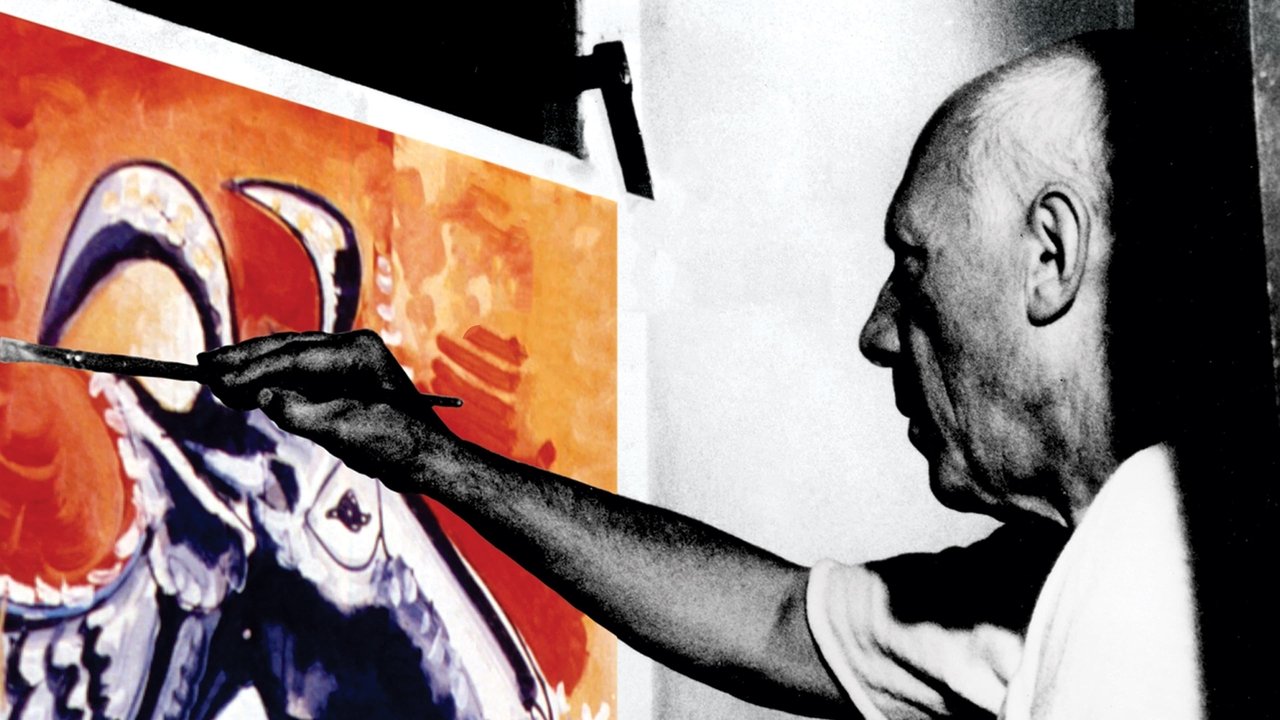
The oldest film in the catalogue belongs to this section. The Mystery of Picasso, made by Henri-Georges Clouzot in 1956, places Picasso behind a translucent screen and films the drawings as they appear, line by line, with the painter hidden from view; twenty works are made before our eyes and painted over. It is one of the few films that truly shows an artist thinking. Faces Places, from the other end of the catalogue's span, is its happy descendant: Agnès Varda, aged eighty-eight, and the street artist JR drive through rural France in a van that prints giant photographs, and paste portraits of farmers, miners' families and dockers' wives on barns, houses and stacks of containers. It is the third most popular title on DokOnlin and one of the warmest.
French television has made two series on art that reward any amount of time. Palettes, by Alain Jaubert, gives each of its forty-nine episodes to a single painting and takes it apart with patience: the composition, the pigments, the repairs, the story it tells. Architectures does the same for buildings, from the Bauhaus in Dessau to the Guggenheim in Bilbao, in sixty-seven films of half an hour. Photo: A History from Behind the Lens covers photography in twelve parts, and Alberto Angela's Tonight in... visits great museums after closing time, when the rooms are empty. Nicolas Philibert's Louvre City shows the museum's staff at work during the rehanging of the 1980s, carrying vast canvases through the corridors, and Dior and I spends eight weeks in the workrooms of the fashion house as a new designer prepares his first collection. Hand Gestures watches a bronze sculpture being cast in a Milan foundry by methods unchanged for centuries.
Three Russian titles sit here: Vasily Surikov, a film biography of the history painter; Russia in Bloom, about Sergei Prokudin-Gorsky, who photographed the Russian Empire in colour before 1914; and 100 Years Of Design. Books and drawings complete the section. Umberto Eco: A Library of the World wanders through the novelist's library of thirty thousand volumes; J.R.R. Tolkien: Designer of Worlds looks for the sources of Middle-earth. Tintin has three titles, Tintin and I, built on a long recorded interview with Hergé, Hergé: In the Shadow of Tintin, and the travel series In the Footsteps of Tintin, which goes to the real places behind five of the albums. The Scrooge Mystery meets Don Rosa, the American who drew the life of Scrooge McDuck, and Walt Disney: Once Upon a Time and Walt Disney e l'Italia - Una storia d'amore trace the European paintings and stories behind the studio's films.
Cinema: from the Lumière brothers to Agnès Varda
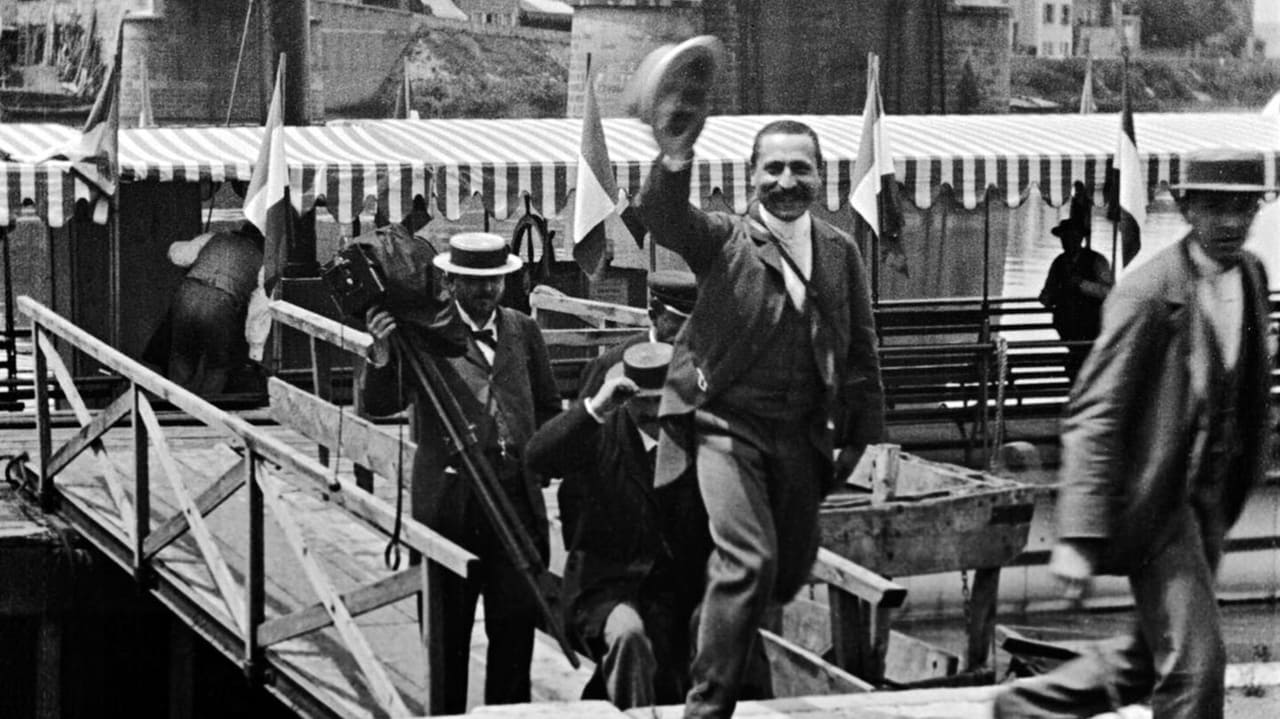
France invented the cinema, and the forty-six titles of this section tell its story from the first day. The cinema guide suggests an order. Lumière! presents 108 of the fifty-second films that Louis and Auguste Lumière and their operators shot between 1895 and 1905, restored to startling clarity and introduced by Thierry Frémaux; workers leave a factory, a train arrives, a baby eats breakfast, and the whole language of film is seen being born. Lumière, Le Cinéma! is a second selection, and Louis Lumière is a conversation of 1968 between Eric Rohmer, Jean Renoir and Henri Langlois. Georges Méliès, the magician who answered the Lumières with fantasy, has three films: The Extraordinary Voyage, about the rediscovery and restoration of the hand-coloured print of A Trip to the Moon; The Méliès Mystery, about the recovery of 270 lost films; and The Magic of Méliès. Alice Guy, the First Female Filmmaker gives overdue credit to the woman who directed fiction films from 1896.
Agnès Varda is the presiding spirit of the section. The Gleaners and I, made in 2000 with a small digital camera, starts from Millet's painting of women gathering wheat and goes in search of people who still gather what others leave: potatoes in the fields, fruit in the orchards, furniture on the pavement. It is funny, curious and generous, and many viewers count it among the finest documentaries of its time. The Beaches of Agnès is her autobiography, told on the beaches of Belgium, Sète and California with mirrors, old photographs and friends. The World of Jacques Demy is her portrait of her husband, the director of The Umbrellas of Cherbourg, and the series Agnès Varda: From Here to There follows her travels to meet artists from Lisbon to Los Angeles. Two of her early shorts are filed under places and people.
The guided tour is a French speciality. In My Journey Through French Cinema, Bertrand Tavernier spends more than three hours talking about the films he loved as a boy in Lyon and as a young critic in Paris, from Jacques Becker to Claude Sautet, with long extracts; the eight-part Journeys Through French Cinema continues the conversation. Martin Scorsese's My Voyage to Italy does the same for Rossellini, De Sica, Visconti and Fellini, the films his family watched on television in New York. Voyage in Time shows Andrei Tarkovsky and the screenwriter Tonino Guerra driving around Italy to prepare a film, and the Russian Andrey Tarkovsky. A Cinema Prayer lets the director speak in his own recorded words. Fellini: A Director’s Notebook is the master's own playful account of his methods, and Ozu: The Filmmaker of Happiness looks east to Japan.
Comedians are well represented. Birth of the Tramp and Charlie Chaplin, The Genius of Liberty cover Chaplin's life from the London music halls to Switzerland. Buster Keaton: The Genius Destroyed by Hollywood tells of Keaton's great years and his later return to favour. Jacques Tati, tombé de la lune follows the creator of Monsieur Hulot, Louis de Funès Forever studies the technique of the most popular comic in French history, Pierre Richard, le discret meets the tall blond dreamer of the 1970s, and Jerry Lewis: The Man Behind the Clown explains why France took the American so seriously. From Italy come two films about Massimo Troisi, the Neapolitan star of Il Postino, Massimo Troisi: Somebody Down There Likes Me and Il mio amico Massimo, together with La voce di Fantozzi, on Paolo Villaggio's hapless accountant, and Luigi Proietti detto Gigi.
The rest of the section is a gallery of stars and films. Belmondo by Belmondo sends Jean-Paul Belmondo back to his old locations with his son. Marcello Mastroianni: I Remember is the actor's own memoir, recorded in the last year of his life. Audrey Hepburn, the choice of elegance, Her Name Was Grace Kelly, Danielle Darrieux : Il est poli d'être gai !, Alida Valli: In Her Own Words and Jean Rochefort, l'irrésistible are portraits in the same spirit. For younger viewers there are Indiana Jones: The Search for the Lost Golden Age, Steven Spielberg, the “New Hollywood” Prodigy, Harry Potter : les secrets du phénomène, Christopher Reeve, Superman Forever, Jackie Chan: Building an Icon, Ghibli and The Miyazaki Mystery and How we made Asterix & Obelix: Mission Cleopatra. Sergio Leone: The Italian Who Invented America and The Last Movie Painter, about Renato Casaro, who painted the posters for hundreds of films, speak for the craftsmen.
Music and stage: opera, ballet and song
Twenty titles are filed under music and the stage, and the music guide sorts them. The Paris Opera has been filmed twice at length. Frederick Wiseman's La Danse: The Paris Opera Ballet spends two and a half hours in the rehearsal rooms, workshops and offices of the Palais Garnier, watching dancers repeat a phrase until it is right. The Paris Opera follows a whole season on both of the company's stages, from the choir to the director's office, and Gallant Indies records an experiment there: Rameau's baroque opera staged with thirty street dancers. Ballerina travels to Saint Petersburg to follow five dancers of the Mariinsky at different points in their careers, and Nous l'orchestre de Paris asks how a hundred musicians learn to play as one.
Tosca's Kiss, made by Daniel Schmid in 1984, is the jewel of the section. It was filmed in the Casa Verdi in Milan, the home for retired musicians that Giuseppe Verdi founded with his own royalties, where former singers of La Scala still break into their great arias in the corridors. It is a film about memory and pride, and it is full of affection. From Russia, Elegy of Life: Rostropovich, Vishnevskaya is a portrait of the cellist and the soprano, and Oleg and the Rare Arts meets the eccentric pianist and composer Oleg Karavaichuk.
Song has its own shelf. Aznavour by Charles is assembled from the home movies that Charles Aznavour shot on his travels from 1948. Italy's songwriters follow: Paolo Conte, Come Away with Me on the lawyer from Asti with the gravel voice, Io, noi e Gaber on Giorgio Gaber, Enzo Jannacci - Vengo anch'io on the Milanese doctor who sang, Pino on Pino Daniele of Naples, and Ezio Bosso - Le cose che restano on the pianist and conductor. Raffa celebrates Raffaella Carrà, the queen of Italian television, and Laura Pausini – Pleased to Meet You imagines the life the singer might have led. Clara Luciani : Ça commence comme ça and Sting: A Free Man are portraits of a French and an English star. Two films are about playing together: We Are The Thousand tells how a thousand amateur musicians gathered in a field in Cesena to play one rock song in perfect time, and The Grand Ball spends a week at a summer festival in the Allier where two thousand people dance traditional dances day and night.
Sport: football, cycling and the fastest cars
Twenty-six titles belong to sport, and the sport guide groups them by discipline. Football leads. My Name Is Francesco Totti is the most popular sports film in the catalogue: on the eve of his retirement after twenty-five years with Roma, the captain watches his own life on a screen and comments on it in his own voice, with wit and feeling. Les yeux dans les Bleus is the classic French football film, shot inside the dressing room of the team that won the World Cup of 1998. Italy answers with Blue Dream - The Road to Wembley, on the European Championship of 2021, and Italia 1982, una storia azzurra, on the World Cup won in Spain. Antoine Griezmann: The Making of a Legend and Sadio Mané - Made in Senegal are stories of boys who were told they were too small or too far away; Platini, le dernier romantique and the six-part Platini portray the French number ten; Guy Roux, une histoire de France honours the coach who kept Auxerre in the top division for decades; and Zanetti Story, Inter. Due Stelle sul Cuore and Black and White Stripes: The Juventus Story belong to the great clubs of Milan and Turin.
Cycling and motor sport come next. Louis Malle's Vive Le Tour is an eighteen-minute poem on the Tour de France of 1962, with its crowds, its picnics and its mountain passes; Tour de France: Unchained follows the modern race from inside the team cars over twenty-four episodes. Prost gives six episodes to Alain Prost, four times world champion in Formula 1. Ferrari 312B: Where the Revolution Begins restores a racing car of 1970 and returns it to the circuit of Monaco under the eye of its designer, and Lancia - The Legend of Rally recalls the years when the Turin marque ruled the world's rally stages.
Other arenas are just as vivid. Palio goes to Siena for the horse race run twice each summer around the main square, a contest of strategy among the city's districts that has changed little since the Middle Ages. Una squadra reunites the Italian tennis players who won the Davis Cup in 1976. Federica Pellegrini - Underwater follows the swimmer through her last three hundred days before the Tokyo Games, and Summits of My Life runs up Mont Blanc and Elbrus with Kilian Jornet. O Sport, You Are Peace! is the official Soviet film of the Moscow Olympics of 1980, In the Heart of the Games and La Grande Seine go behind the scenes of Paris 2024, Skate the World visits skateboarders around the world in twenty-three episodes, and Chasing the Frozen Dream follows a group of comedians who decide to enter an ice hockey tournament.
Places and people: schools, farms and journeys
The last section, with thirty-seven titles, is the most French of all, and the places guide gives a way in. Its centrepiece is To Be and to Have. Nicolas Philibert spent a school year in a one-room school in the Auvergne, where a single teacher, Georges Lopez, taught a dozen children aged from four to eleven. The film watches them learn to write the number seven, settle a quarrel, and say goodbye in June, and it became one of the most successful documentaries ever shown in French cinemas. Mon maître d'école follows another village teacher through his final year before retirement; School of Babel sits in a Paris class for children newly arrived from twenty countries; Récréations simply watches a playground; and Let the Child Be the Guide observes a Montessori class of three- to six-year-olds. On the Way to School travels further: four children in Kenya, Morocco, Argentina and India walk or ride for hours each morning to reach their classrooms, and the film goes with them. Gifted Kids meets young athletes and musicians, and Babies follows four infants in Namibia, Mongolia, Japan and California through their first year, in pictures and natural sound alone.
The countryside is the other great subject. Raymond Depardon, himself a farmer's son, spent ten years visiting small farms in the Cévennes and the Massif Central; Profiles Farmers: The Approach is the first of his three films and Modern Life the last, and their long, respectful conversations at kitchen tables are unforgettable. Cousin Jules, filmed over five years from 1968, shows a blacksmith in Burgundy and his wife going about their day almost in silence. Bertrand's Farm returns to the same dairy farm in Savoy across fifty years. Winter Nomads walks six hundred kilometres with two shepherds, three donkeys and eight hundred sheep, and Le Sabotier du Val de Loire, Jacques Demy's first film, portrays a clog-maker in 1955. Les 4 saisons d'Espigoule is a comic chronicle of a Provençal village. From Italy come The Truffle Hunters, in which a handful of old men and their beloved dogs search the forests of Piedmont for the white truffle, one of the most charming films of recent years; The Last Shepherd, about a shepherd who dreams of leading his flock into the centre of Milan; and FUNNE: Sea Dreaming Girls, in which the grandmothers of a mountain village raise money for their first trip to the sea. The Russian entry is The Seasons, Artavazd Pelechian's celebrated film of 1975 about Armenian shepherds, set to Vivaldi.
Cities appear too. Varda's Daguerréotypes portrays the shopkeepers of her own street in Paris, the baker, the butcher, the perfumer and the accordion seller, and her Along the Coast is a witty tour of the Riviera in 1958. Joris Ivens's The Seine Meets Paris follows the river through the capital. Italy in a Day - Un giorno da italiani is assembled from videos that thousands of Italians filmed on one Saturday in 2013, and On the Cities’ Rooftops climbs above ten world capitals.
The travel programmes offer hundreds of evenings. In I'll come sleep at your house, Antoine de Maximy sets out alone with three small cameras strapped to his body and asks the people he meets whether he may stay the night; the results are funny and often touching. Échappées Belles has 707 episodes of weekly journeys, Invitation Au Voyage 1,669 short cultural trips, and Nos terres inconnues takes a guest to a little-known corner of France. Japan from Above and Japan: Between Earth & Sky are aerial portraits, Algeria from Above is the first film of that country made entirely from the air, Big North takes the writer Paolo Cognetti to Alaska, and Les Routes de l'impossible rides with lorry and bus drivers on the hardest roads in the world.
By country: France, Italy and Russia
One hundred and seventy-one titles are French, and the guide to the French shelf suggests where to begin. They show two strengths. The first is the nature film made for the cinema, patient and beautifully photographed, with music by composers such as Bruno Coulais. The second is the documentary of observation, in which a director such as Nicolas Philibert, Raymond Depardon or Agnès Varda spends a long time in one place and lets the people there become familiar to us. French public television, and the cultural channel Arte in particular, has added a third: the well-made portrait of an artist or a film star, of which there are several dozen here.
Sixty-eight titles are Italian and fifteen Russian, and the guide to Italy and Russia introduces both shelves. The Italian shelf rests on art history, football, song and the Angela family's programmes; it also holds some of the most personal films in the catalogue, among them Thus Spoke De Crescenzo, on the Neapolitan engineer who became a popular philosopher. The Russian shelf is small and carefully chosen: wildlife from Kamchatka and Lake Baikal, the cosmonaut's film Out of the Present, Pelechian's shepherds, two films about musicians, mathematics, design and the early colour photographs of Prokudin-Gorsky.
The series
Fifty-eight series carry 4,965 episodes, and the series guide sorts them by length. Seven long-running programmes account for most of that number: Invitation Au Voyage with 1,669, Échappées Belles with 707, Des racines & des ailes with 479, Superquark with 365, Science grand format with 352, Ulisse - The Pleasure of Discovery with 274 and Secrets d'Histoire with 200. Each is made of self-contained programmes, so you may begin anywhere and choose by subject.
The other series are short. Most have between two and fifteen parts and can be finished in a week: The Rise and Fall of the Maya, Megapolis: The Ancient World, Japan from Above, Prost, Platini, The Battles of the Louvre, Aging in the Wild and Journey into the Cosmos among them. Each series page lists its seasons in order, and each season lists its episodes with their titles and the dates on which they were first shown, so the page of a long programme serves as an index to it.
Choosing for the family
Because the selection was made with a mixed household in mind, most of the catalogue suits anyone old enough to read subtitles, and a good part of it suits children too young for that. The family viewing guide repeats the advice in brief. For the youngest, the films that rely on pictures more than words are ideal: Microcosmos, Winged Migration, Babies and Heart of an Oak can be followed by a four-year-old, and March of the Penguins and Kina & Yuk tell simple stories about animal families. If I Were an Animal and Spaceship Earth are made of episodes a few minutes long.
From the age of nine or so, On the Way to School is a splendid choice, since it shows children of the same age doing something remarkable every morning. Seasons, Once Upon a Forest, A Species Odyssey and In the Footsteps of Tintin work well at that age, as do the football films. Teenagers may enjoy 16 Sunrises, Tomorrow, We Are The Thousand, Skate the World, The Scrooge Mystery and the films about Spielberg, Indiana Jones and Studio Ghibli.
A few titles call for a word beforehand. Nature films show predators catching their prey, and the penguin films include the loss of an egg or a chick to the cold. Home and Terra speak plainly about damage to the environment. Elephant Mother concerns the rescue of elephants that were badly treated, and Les Routes de l'impossible shows hard and dangerous working lives. Each title page carries a full summary, so a parent can read it in a minute and decide.
By period
Thirty-nine titles were made before 2000. The earliest are The Mystery of Picasso and Le Sabotier du Val de Loire of 1956, followed by The Seine Meets Paris, Along the Coast, Vasily Surikov and Vive Le Tour. The 1960s and 1970s bring the Cousteau series, Louis Lumière, Fellini: A Director’s Notebook, The Life of Leonardo da Vinci, The Seasons, Daguerréotypes and Koko: A Talking Gorilla. The 1980s and 1990s add The Blue Planet, Tosca's Kiss, The Owl's Legacy, Louvre City, Palettes, Microcosmos and Les yeux dans les Bleus.
Twenty-nine titles come from the years 2000 to 2009, the decade in which the French nature film conquered the world: The Gleaners and I, Winged Migration, To Be and to Have, March of the Penguins, The White Planet, The Beaches of Agnès, Modern Life and Home all belong to it. The following decade is the fullest, with one hundred and six titles, among them Faces Places, Tomorrow, Seasons, Dior and I, On the Way to School, Lumière! and most of the Italian art films. Eighty titles date from 2020 or later, including The Velvet Queen, The Truffle Hunters, My Name Is Francesco Totti, Heart of an Oak, Whispers in the Woods and Tour de France: Unchained.
The top rated
The Top rated list holds the thirty titles that score at least 7.5 out of ten from twenty or more viewers. Nature is strongly placed, with The Velvet Queen, Home, Terra, Legacy, Whispers in the Woods, Tomorrow, Microcosmos and Winged Migration. The arts send Florence and the Uffizi Gallery, Van Gogh: Of Wheat Fields and Clouded Skies, Raphael: The Lord of the Arts and Faces Places; cinema has Lumière!, The Gleaners and I, The Beaches of Agnès and My Voyage to Italy; and sport is led by Tour de France: Unchained and Blue Dream - The Road to Wembley. If an evening calls for a safe choice, this is the list to open.
Search and the A to Z
The search field sits in the dark menu bar on every page. Type a few letters and results appear at once beneath it; the search looks at titles, original titles, directors and the people on screen. The finding titles page summarises the methods. Typing "penguins" brings both of Luc Jacquet's films, "Varda" brings eight titles, "Leonardo" brings four, and "Angela" brings the programmes of father and son. A French or Italian original title works as well as the English one, so "La Marche de l'empereur" and "Être et avoir" lead to the right pages, and accents may be left out.
The A to Z page sets out all 254 titles in a single alphabetical index with a strip of letters at the top. The Films and Series pages show the two formats on their own, most popular first, and each of the nineteen lists has a page of its own with a line of description and a count.
My List
With more than two hundred and fifty documentaries to choose from, a folder of your own is a real help. On the page of any documentary you will find an Add to My List button next to Watch now; press it once and that film or series is filed in your personal folder. The red button in the menu bar opens the folder, where each saved title is shown as a thumbnail with a Remove button under it. The My List page explains each button. The folder is kept by the browser on your own device, so it is waiting each time you return, and the list page can export it as a small file for safe keeping or for carrying to another computer.
A good way to use it is to browse one section at a time, adding anything that catches your eye, and to decide later. A quarter of an hour among the nature films usually fills the folder for a month of weekends.
How Watch now works
Every title page has a country selector with fifteen countries, from France, Italy, Belgium and Switzerland to the United States, the United Kingdom, Canada and Australia. Pick yours and press Watch now. JustWatch opens on the page for that title and shows the services that carry it there, grouped by subscription, rental, purchase and free viewing. The French and Italian public broadcasters, the large streaming services and the specialist documentary platforms all appear in those lists. Availability differs from one country to the next, which is why the selector comes first.
A first fortnight
Here is a plan for fourteen evenings that visits all eight sections. Begin with March of the Penguins, which the whole room will enjoy. On the second evening watch Faces Places, and on the third The Truffle Hunters. The fourth belongs to To Be and to Have, the fifth to Lumière!, the sixth to 16 Sunrises, and the seventh to My Name Is Francesco Totti. In the second week, try Microcosmos, Florence and the Uffizi Gallery, Tosca's Kiss, the first part of Megapolis: The Ancient World, The Gleaners and I and The Velvet Queen, and finish with an episode of I'll come sleep at your house. By then you will know which section suits you best, and DokOnlin will have two hundred and forty documentaries still to offer.
Questions and answers
Questions
What is DokOnlin?
DokOnlin is a guide to 254 documentary films and series from France, Italy and Russia, 1956 to 2026, filed in eight sections.
Which documentary should I watch first?
Start with March of the Penguins for nature, Faces Places for art, To Be and to Have for everyday life or My Name Is Francesco Totti for sport.
Is the catalogue suitable for families?
Yes. Every summary was read by hand, and the selection favours wildlife, science, art, cinema, music, sport and village life.
Which sections are there?
Nature, science and space, history, art, cinema, music and stage, sport, and places and people, with between 18 and 51 titles in each.
Which countries do the documentaries come from?
171 were made in French, 68 in Italian and 15 in Russian; each title page states the original language and the country of production.
How many series are listed?
58 series with 4,965 episodes between them, from the 1,669 short programmes of Invitation Au Voyage to series of two or three parts.
How does My List work?
Press Add to My List on a title page. Your browser stores the folder on your device, and the list page can export it as a file.
Does DokOnlin host documentaries?
DokOnlin is a guide only. Every Watch now button opens JustWatch, which lists the official streaming, rental and purchase services for your country.
